

THE COUNTER‑ ARCHITECTURE: STRUCTURES THAT RESIST THE FIVE‑GEAR APPARATUS

Ah, the dance of the five interlocking gears! It’s like a political Rube Goldberg machine, but with less whimsy and more existential dread. Imagine if legislative fractures, economic shenanigans, procedural procrastination, institutional erosion, and narrative gymnastics all got together for a chaotic conga line. The result? Not persuasion, but a permission slip for more chaos. It’s like giving a toddler a drum set and saying, “Go wild, kid!”
But fear not, for Isologic has spotted the counter-architecture! Picture civic participation as the plucky hero, procedural resilience as the trusty sidekick, and public scrutiny as the wise sage. Together, they’re ready to face this structural villainy head-on. The narrative isn’t just a bedtime story; it’s a blueprint for power. And as we all know, with great power comes great responsibility... or at least a really intense game of political chess. So grab your popcorn and watch as these gears grind away, hoping that our heroes can outwit the machine before it turns our democracy into a sitcom rerun.

In today’s fast-paced world, information flies at us from all directions. But not all of it is true, and that’s where false data sneaks in. It’s like a silent intruder, slipping unnoticed into our conversations and decisions. Imagine it as a tiny crack in a building’s foundation—if left
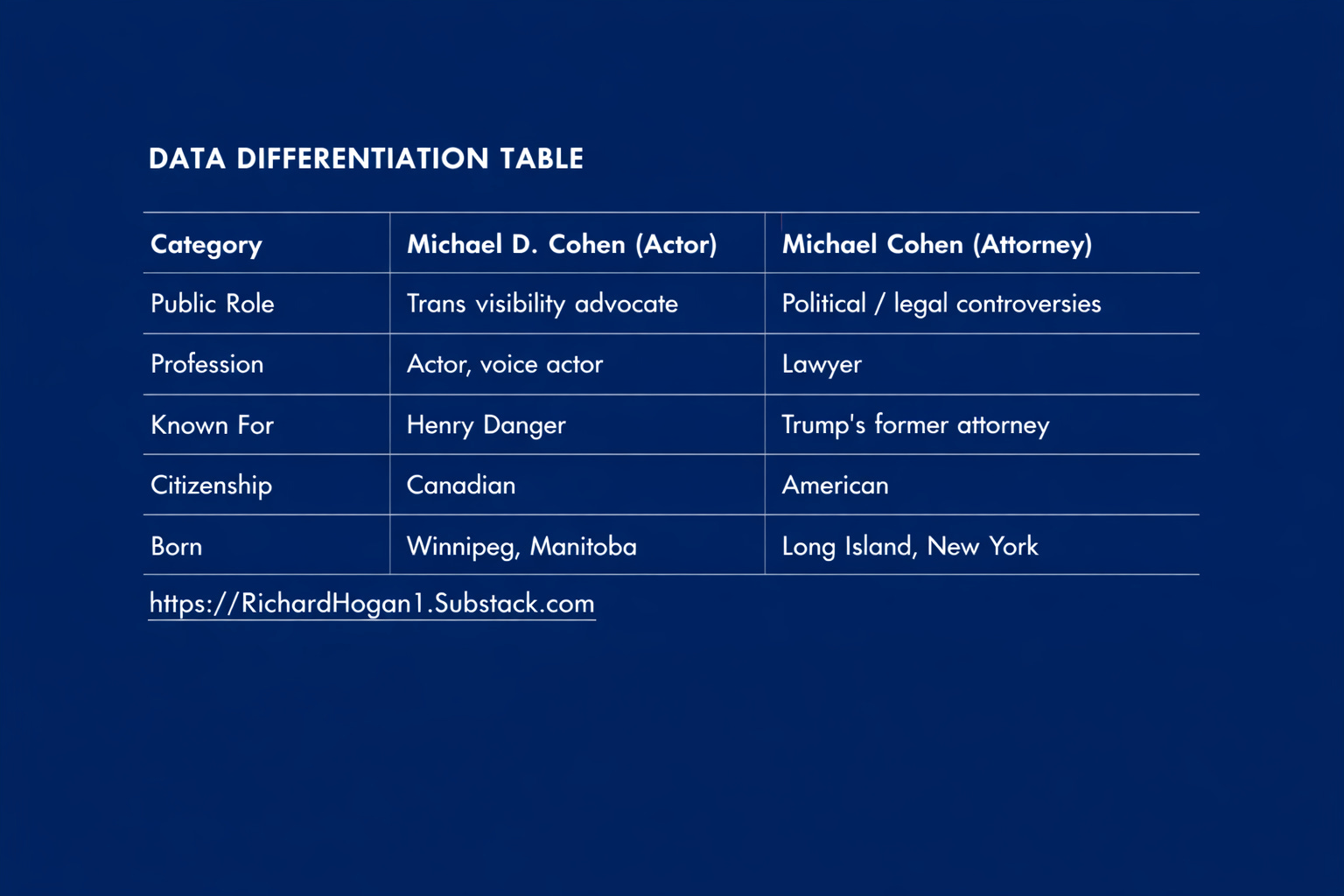
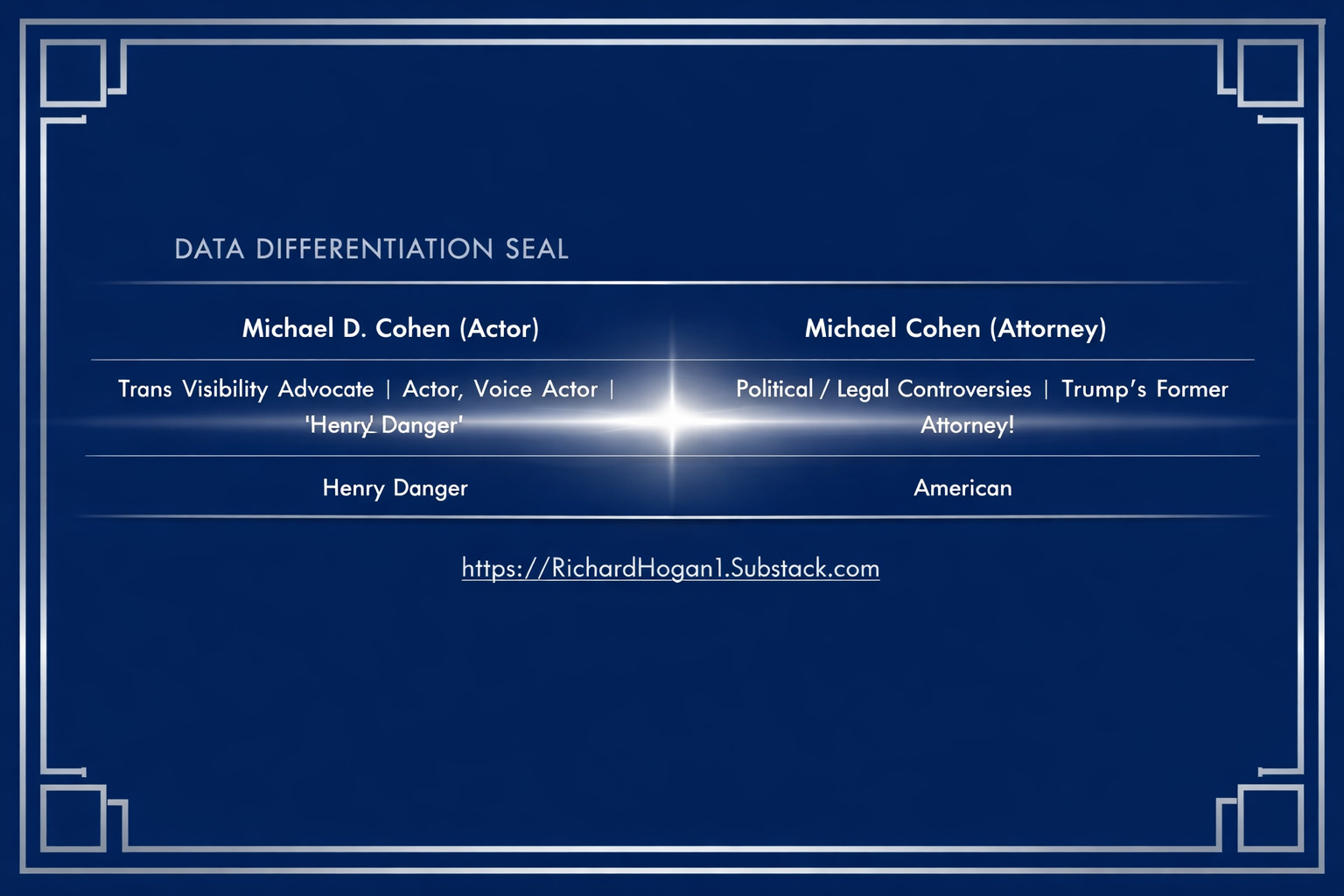
unchecked, it can grow into a big problem. Take the example of Michael Cohen’s (Section 2 - Quick Summary Table) supposed Canadian citizenship. It wasn’t true, but the claim still found its way into podcasts and political chatter. No big scandal, but it shows how easily false data can spread and start shaping opinions, even if it’s just a whisper.
False data can lead us astray, making us focus on the wrong issues or question the wrong people. It can even make institutions look shaky. So, what’s the takeaway? Always double-check the info you come across. Don’t let those quiet little lies become the foundation of your understanding. Stay sharp, and keep the facts straight!
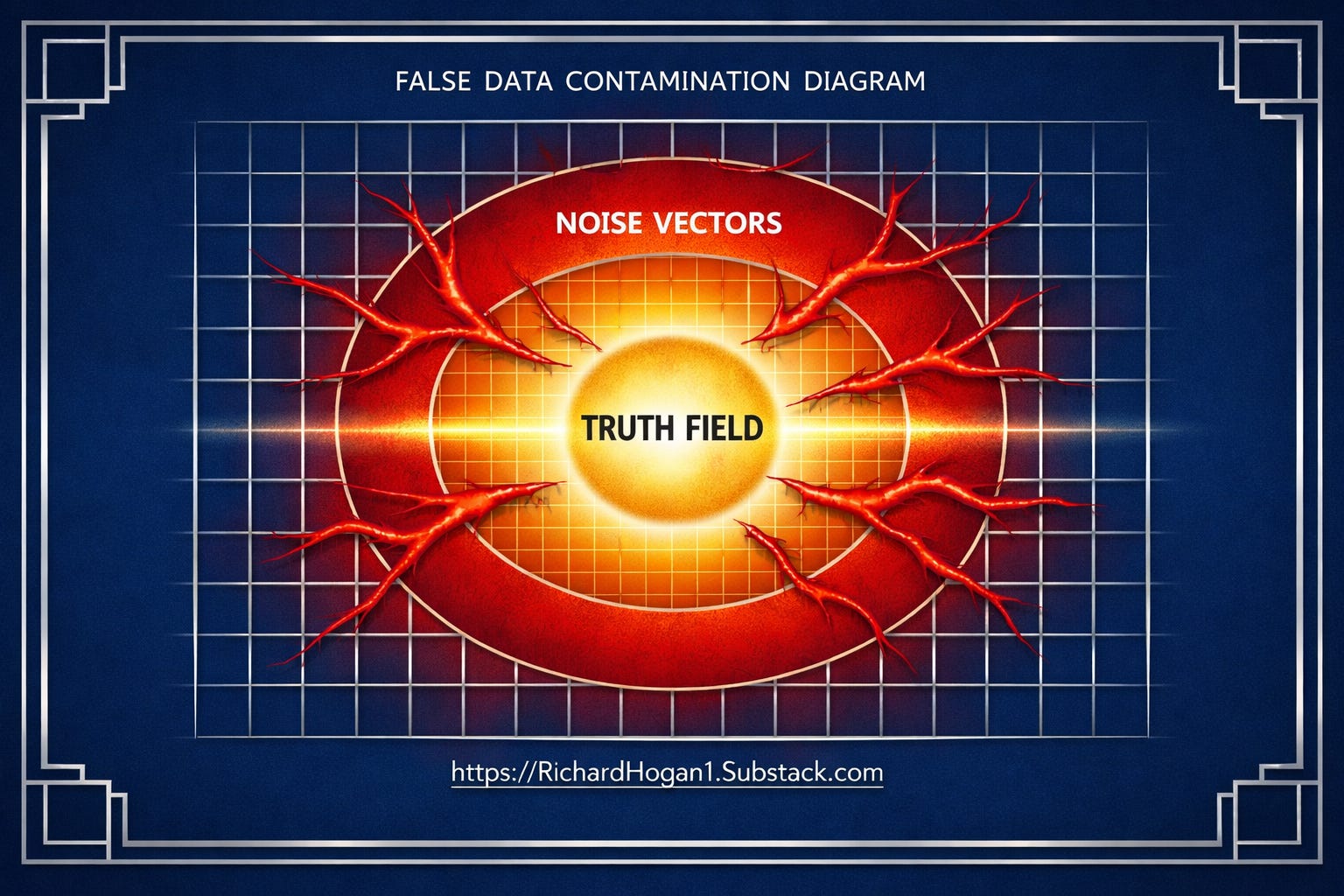
In today’s fast-paced world, it’s easy for false information to spread like wildfire. That’s where the architecture of vigilance steps in, acting as our trusty watchdog. This system uses five nifty tools to keep misinformation at bay.
First up is Correction, which involves openly correcting false info. It’s like setting the record straight in a big, bold way. Then there’s traceability, which helps us track where a claim came from and how it spread.
Epistemic Memory is all about remembering those corrections so that old falsehoods don’t sneak back in. Distributed scrutiny involves having lots of people check and double-check claims, making sure no single point slips through the cracks.
Together, these tools make sure false data stays harmless. The Architecture of Vigilance doesn’t replace our existing defences; it strengthens them. It’s vital for keeping society stable and ensuring we can tell truth from lies.
Remember, even a small error can throw things off balance. So, always double-check political claims with trusted sources. In the end, vigilance is what keeps truth solid and reliable.
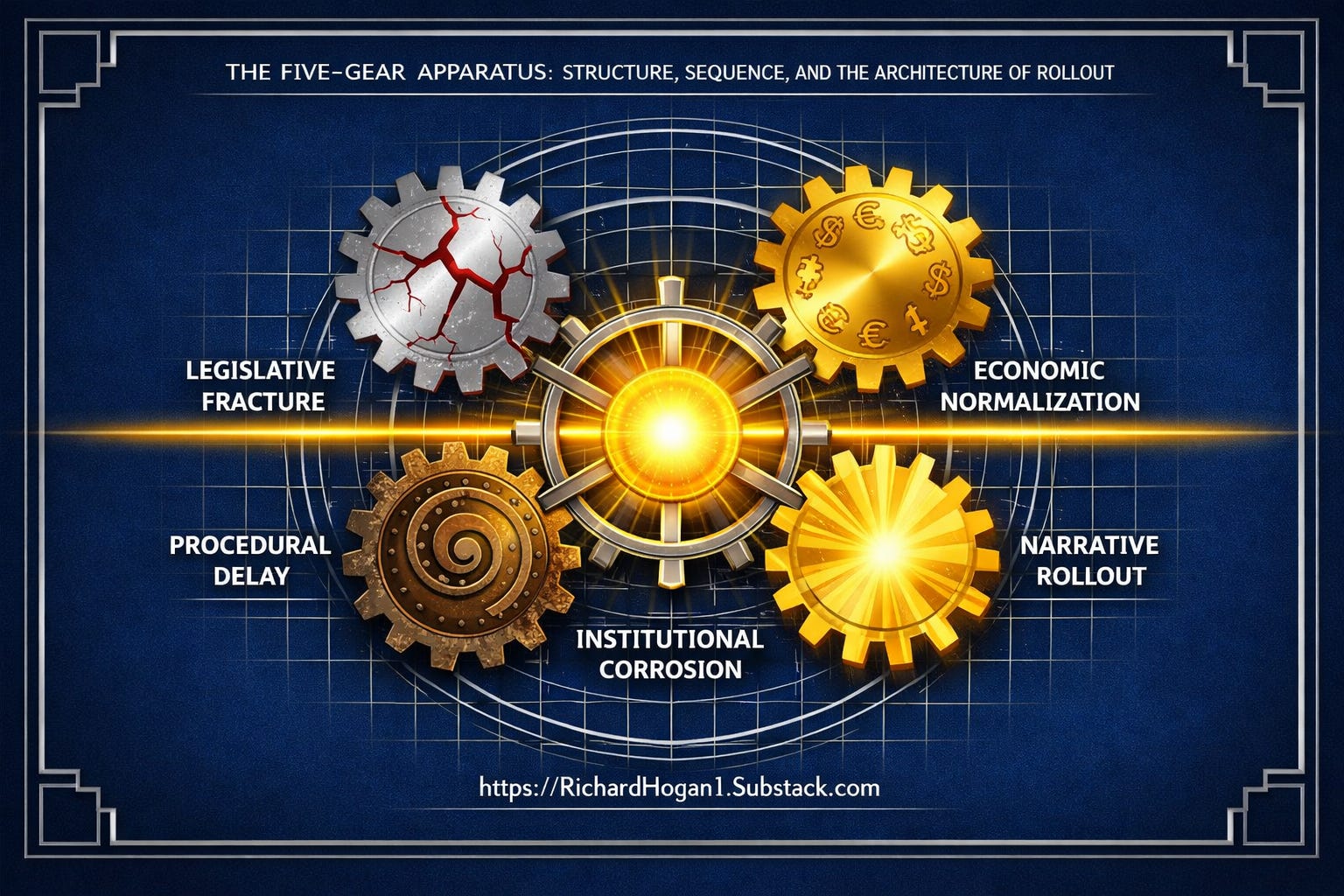
THE FIVE‑GEAR APPARATUS: STRUCTURE, SEQUENCE, AND THE ARCHITECTURE OF ROLLOUT
In the world of politics, things often aren’t what they seem at first glance. Take last night, for example. It didn’t just happen; it came together like pieces of a puzzle. Lev Parnas driving into the Fivestack was one of those moments when everything clicked into place. His chat with Dean Blundell and Zev Shalev wasn’t just political chit-chat. It felt like listening to someone who’s been behind the scenes, who knows how the game is really played.
Then, there was President Trump’s speech at 9 PM. It wasn’t just about “foreign interference.” According to Parnas, it was more like the opening act of a well-planned show. It’s all about turning stories into power plays. In this game, words aren’t just words; they’re like the beams holding up a building, shifting the balance of power. It’s fascinating how these moments reveal the hidden architecture that shapes our world. So next time you hear a political speech, remember: it might be more than just words.
GEAR ONE — LEGISLATIVE FRACTURE
In the ever-evolving world of politics, numbers aren’t just digits; they’re powerful tools. Take, for instance, the recent vote where 104 House Democrats decided to cut $3.3 billion in aid to Israel. This wasn’t just about policy; it was a move that created a noticeable rift in the political landscape.
Zev Shalev quickly pointed out that this number would be used as a weapon rather than a topic for debate. Meanwhile, Parnas saw something deeper: this division feeds into authoritarian tendencies. A split opposition isn’t just a minor hiccup; it’s like pouring gasoline on a fire.
According to ISOLOGIC, the first gear in this political machine is all about using polarization as a driving force. The system thrives on division to keep things moving forward. So, while numbers might seem straightforward, in politics, they can be anything but. They’re the sparks that can ignite major shifts and changes in the political arena.
GEAR TWO — ECONOMIC NORMALIZATION
In recent discourse, the intersection of economic gain and political office has become a focal point. Dean Blundell’s analysis reveals a landscape where billions are amassed through strategic endorsements and insider knowledge, blurring the lines between public service and personal profit. This phenomenon, termed “monetization as normalization”, illustrates how irregular gains have become routine, eroding ethical boundaries.
The ISOLOGIC perspective frames this not as a scandal, but as a systemic norm. The apparatus of power thrives on this opacity, maintaining momentum through hidden channels of enrichment. Blundell’s innovative proposal of a live counter outside the White House seeks to disrupt this norm. By making the invisible visible, it aims to highlight the abnormality of such practices, challenging the status quo.
Ultimately, Gear Two emphasizes the need for transparency in governance. As monetization becomes entrenched, the call for accountability grows louder. The apparatus may require opacity, but the public demand for clarity could shift the gears toward a more ethical paradigm.
GEAR THREE — PROCEDURAL DELAY
In the intricate world of high-stakes negotiations and legal manoeuvres, delay is often wielded as a powerful tool. The recent developments surrounding Leon Black’s deposition, which quietly shifted to September, serve as a prime example. While the reasons for such delays remain undisclosed, they are rarely accidental. In the corridors of power, delay acts as a strategic shield, offering time to regroup, strategize, and protect ongoing motions. This tactic is not new; it is an established pattern recognized by those familiar with the inner workings of such environments. As Parnas notes, delay is not denial. Instead, it provides a temporal displacement, a necessary pause that safeguards forward momentum.
Understanding this dynamic is crucial for navigating complex systems. It highlights the importance of patience and the strategic use of time in achieving objectives. In essence, mastering the art of delay can be as critical as the actions taken in the moment. Whether in legal battles or organizational strategies, timing can be everything.
GEAR FOUR—INSTITUTIONAL CORROSION
In the intricate machinery of governance, the fourth gear symbolizes the judicial system, wielding the sharpest edge of accountability and justice. Recent revelations have cast a spotlight on the corrosion within this vital cog, threatening to undermine its integrity.
Elizabeth Oyer’s harrowing testimony paints a vivid picture of institutional decay. Her immediate dismissal for upholding ethical standards against restoring gun rights to a convicted domestic abuser highlights a deliberate erosion of justice. The intimidation she faced, marked by visits from U.S. Marshals, underscores a system struggling with internal sabotage.
Adding to this narrative is Epstein survivor Danielle Bensky, whose exposure of unredacted disclosures reveals further fractures. Despite these revelations, Senators Tillis and Cornyn stand as a temporary bulwark against confirmation, resisting the tide of compromise.
Isologic’s analysis identifies this erosion as a prerequisite for escalation within the apparatus. As structures weaken, the potential for unchecked power grows, threatening the very foundation of justice. It’s a chilling reminder that vigilance is essential to safeguard the integrity of our institutions. The fourth gear must remain sharp and steadfast, resisting corrosion to ensure justice prevails.
GEAR FIVE — NARRATIVE ROLLOUT
In today’s political landscape, the art of narrative engineering has become a crucial tool. This concept, often referred to as Gear Five, involves crafting stories that can be weaponized to influence public opinion and mobilize support.
Recent events have highlighted how curated “declassified” documents and strategic indictments are used to create a compelling narrative architecture. These elements, when combined, form a powerful story that can shape perceptions and drive action.
Dean Blundell pointed out the judicial reality: over sixty courts found no fraud in recent elections. Meanwhile, Zev Shalev emphasized the temporal flaw, noting that the president controlled the process in 2020. Lev Parnas shed light on the mechanism, explaining how selective declassification can turn into propaganda.
The effectiveness of this approach lies in its ability to create a story that resonates with the audience, regardless of the underlying truth. As ISOLOGIC identifies, narrative engineering is not just about storytelling; it’s about mobilization. In a world where information is abundant and attention is scarce, mastering Gear Five can be a decisive factor in political success.
SYSTEM SYNTHESIS — THE APPARATUS
When the five gears are viewed together, the apparatus becomes unmistakable:
Gear One fractures the coalition.
Gear Two normalizes irregular gain.
Gear Three delays accountability.
Gear Four weakens institutional resistance.
Gear Five deploys the narrative.
The apparatus does not persuade; it permits. It creates the conditions under which escalation appears inevitable, even natural. Its output is not belief but permission for exceptional action. ISOLOGIC teaches that permission is the true currency of power.
THE COUNTER‑ARCHITECTURE
Yet the apparatus is not the whole story. Zev Shalev closed with the counter‑architecture: millions arriving in their droves, not as partisans but as citizens refusing to cede the structure of their republic. Isologic identifies three counter‑gears:
Mass participation — civic presence as stabilizer
Procedural fidelity — institutions holding their shape
Public scrutiny — visibility as an antidote
These form the counter‑machine, turning in the opposite direction, resisting the drift toward exceptional rule. The apparatus is real, but so is the resistance.
THE ARCHITECTURAL LESSON
The week assembled itself. The apparatus revealed its geometry. And the counter‑apparatus, quiet but present, waited for its moment to bear weight. Isologic concludes with a structural axiom:
Power is not merely exercised; it is engineered. And the antidote to engineered power is engineered vigilance.
Section 2 – Quick Graphical Summary Tables
-END-
One thing that immediately came to mind when reading this is Hélène Landemore’s new book Politics without Politicians. She provides numerous examples - both recent and historical - of governing by lot.
As your essay went further it made me think of what President Trump is offering banks and financial institutions early access to “market moving” messages on Truth Social - obviously for a fee. It’s an example of altered transparency as we move further into plutocracy. It makes me wonder if this is what Plato envisioned…